

Plan Overview
PhilaPort is developing a comprehensive strategy and roadmap to reduce emissions, improve air quality, and support workforce development directly and indirectly through tenant operations. This plan is called PhilaPort Clean Course – Navigating to Zero Emissions. It is supported by $77.7 million in grant funding from the U.S. EPA Clean Ports Program and PA DEP Driving PA Forward program.
By modernizing its equipment across the chain of operations, PhilaPort is reducing emissions and improving air quality for its workers and neighbors. These investments will support the development of a comprehensive zero-emission strategy, including:
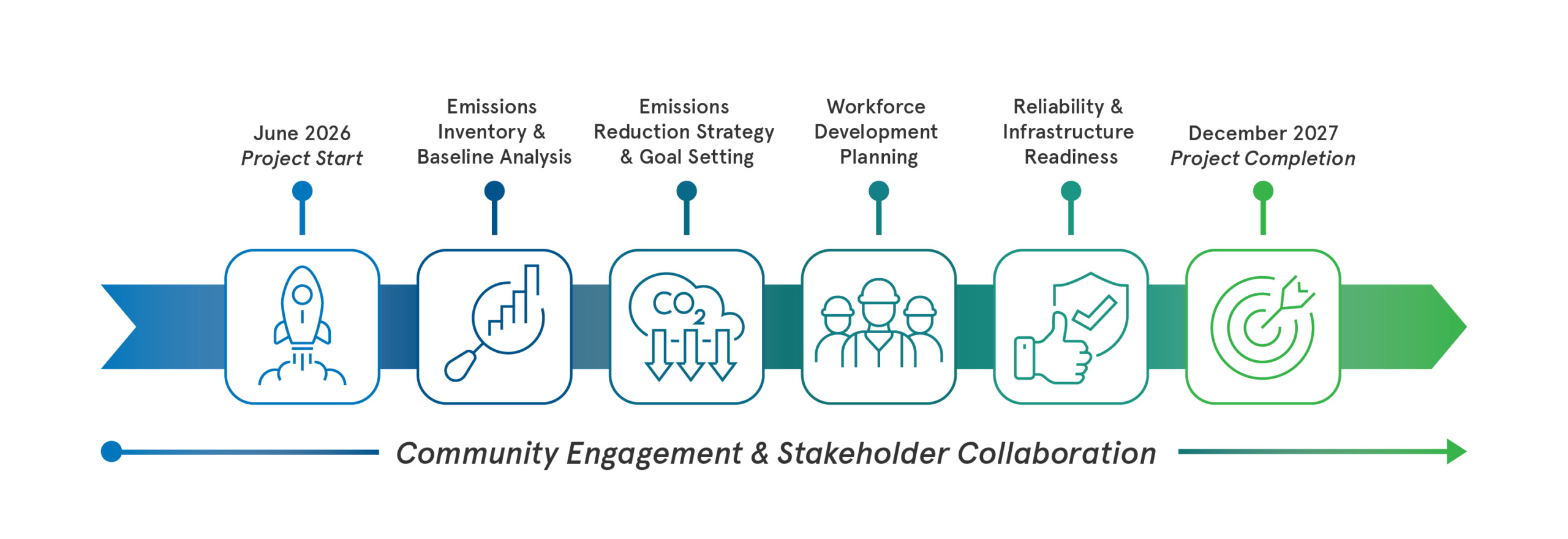
- Benchmarking current emissions,
- Prioritizing equipment replacement,
- Identifying infrastructure and workforce needs, and
- Tracking progress toward zero-emission goals.
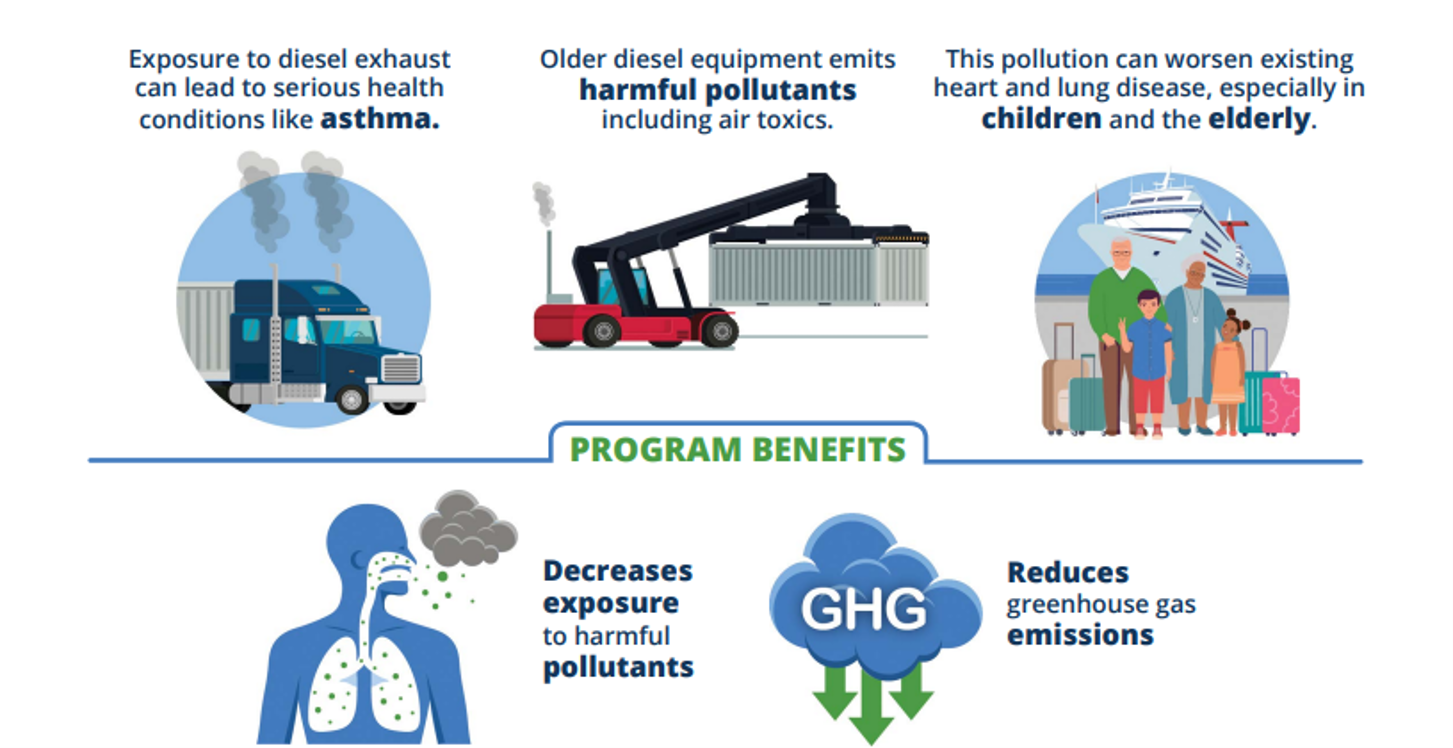
Program Benefits
Key components of the plan include
Establish
a port-wide emission baseline from vessels through port-owned inland warehouse facilities
Develop
a long-term zero-emissions equipment and infrastructure strategy, complete with benchmarking and milestones
Identify
infrastructure needs and spatial opportunities to support future equipment and charging capacity
Engage
community members, stakeholders, environmental groups, terminal tenants, and local/regional agencies through the process
Conduct
a port workforce gap assessment and develop strategies to support worker retention, training, and career pathways
Together, these efforts position PhilaPort to operate more cleanly, responsibly, and competitively — today and well into the future.
PhilaPort Recent Zero Emissions Equipment Purchases
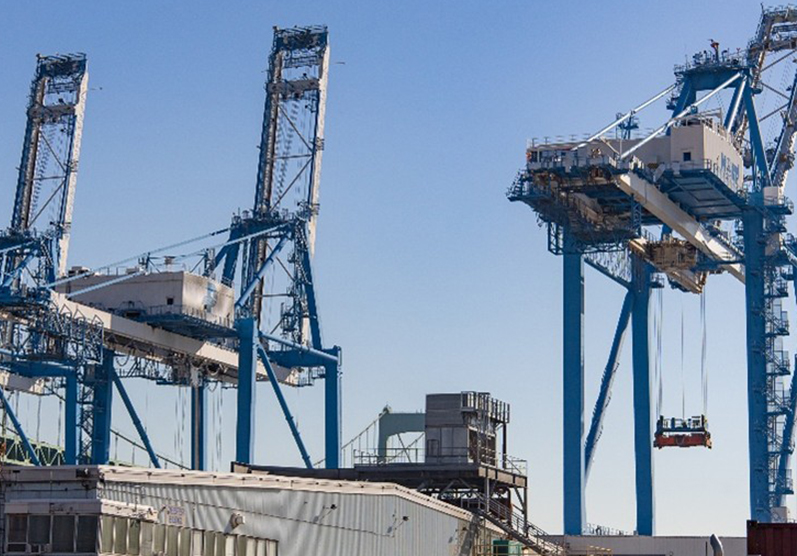
Packer Avenue Marine Terminal
7 all electric Ship-to-Shore cranes are in service at Packer Avenue Marine Terminal, replacing diesel equipment and supporting cleaner cargo movement. 24 electric jockey trucks and 12 fast chargers are also active at Packer Avenue, supporting one of PhilaPort’s busiest terminals.
Tioga Marine Terminal
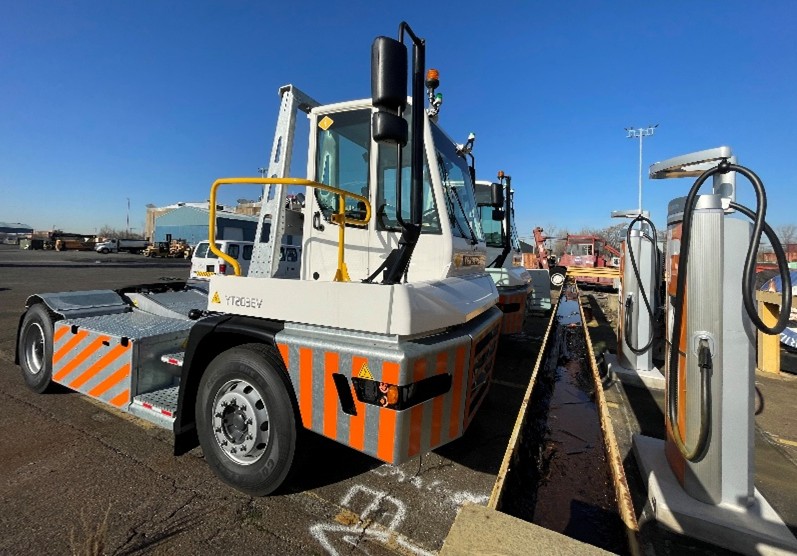
4 electric terminal tractors are now operating at Tioga Marine Terminal, helping move cargo more efficiently with zero tailpipe emissions.
Project Schedule
Headlines
Upcoming Events
Saturday, September 26:
Delaware River Festival
Stop by the PhilaPort table to learn more about the Port and our Clean Course Program.
Contact
For more information,
please contact [email protected]
See related pages: